Longevity Medicine
Peptide Therapy in Dubai: Benefits, Types & What to Expect at Craft Clinic DIFC
The right peptide isn't the most popular one — it's the most appropriate one for you. A clinical guide to peptide therapy in Dubai.

Written by
Dr. Jennifer Kaur
Functional & Longevity Medicine
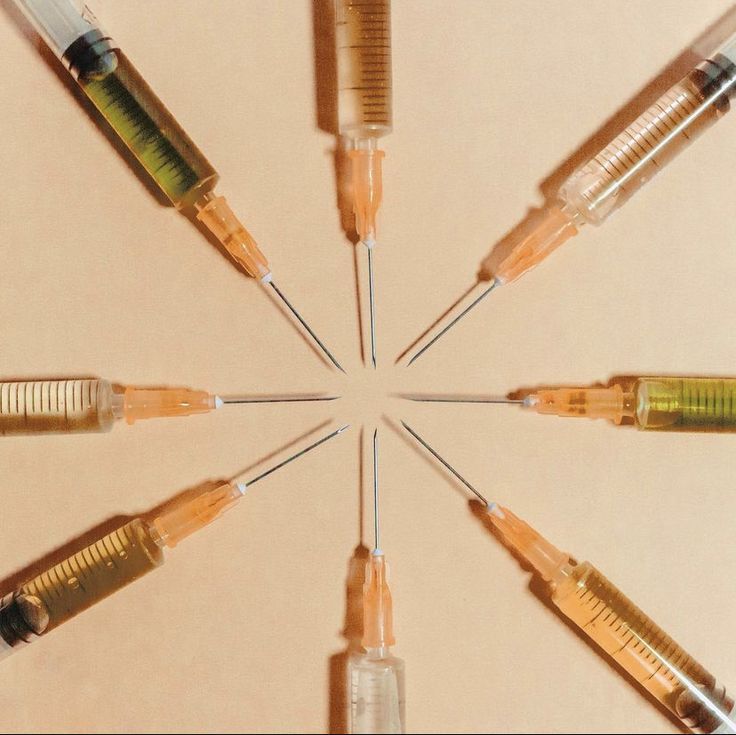
If you've been searching for peptide therapy in Dubai, you've probably come across peptides such as BPC-157, TB-500, GHK-Cu, CJC-1295 and Ipamorelin. While these names are becoming increasingly popular in longevity and regenerative
medicine, they're often discussed without explaining what they actually do, or whether they're appropriate for you.
One of the most common questions I hear in clinic is, "Which peptide should I take?"
My answer is always the same: before choosing a peptide, we first need to understand why you're considering it.
Someone recovering from a tendon injury requires a different approach from someone looking to improve body composition, support healthy ageing or optimise recovery.
What Is Peptide Therapy?
Peptides are short chains of amino acids that act as signaling molecules within the body. They help cells communicate and regulate many biological processes, including tissue repair, metabolism, inflammation, hormone signaling and skin
health.
Some peptides occur naturally in the body, while others are developed to mimic these natural signals. Each peptide has a unique function, which is why there is no single peptide treatment that works for everyone.
When prescribed appropriately, peptide therapy may form part of a personalized regenerative or longevity medicine programme alongside nutrition, exercise, sleep optimization and lifestyle medicine.
Why Is Peptide Therapy Becoming Popular in Dubai?
More people are becoming proactive about their health. Rather than waiting for illness to develop, many patients are looking for ways to optimize recovery, preserve muscle, improve metabolic health and age well.
Patients commonly ask about peptide therapy for:
Recovery after exercise or injury
Tendon and ligament concerns
Body composition
Healthy ageing
Skin quality
Hair health
Metabolic health
Sleep and recovery
However, peptides should never replace the foundations of good health. Nutrition, physical activity, sleep, stress management and identifying underlying medical conditions remain the cornerstones of long-term wellbeing.
BPC-157
BPC-157 (Body Protection Compound-157) is one of the most recognised peptides in regenerative medicine. It has been investigated for its potential role in tissue repair and recovery, particularly involving tendons, ligaments, muscles and
the gastrointestinal tract.
Patients commonly enquire about BPC-157 following sports injuries, chronic tendon problems or prolonged recovery.
TB-500
TB-500 is related to thymosin beta-4, a naturally occurring protein involved in tissue repair and cell migration.
It is often discussed in regenerative medicine because of research exploring its potential role in supporting recovery from soft tissue injuries.
GHK-Cu
GHK-Cu is a naturally occurring copper peptide that has been extensively studied for its role in skin biology and tissue repair.
It is commonly explored to support skin quality, collagen production, healthy ageing and hair health.
CJC-1295, Ipamorelin and Tesamorelin
These peptides influence the body's natural growth hormone signalling pathways and are commonly discussed within longevity medicine.
Patients may enquire about them to support body composition, muscle preservation, recovery and healthy ageing. They are not the same as taking growth hormone, and because they affect hormone-related pathways, they require appropriate
medical assessment, blood investigations and ongoing monitoring.
The decision to use these peptides should always be based on the individual's overall health rather than a single symptom or goal.
Should You Start Peptide Therapy Without a Consultation?
In our clinic, the answer is simple, no.
Symptoms such as fatigue, slow recovery, weight gain or reduced muscle mass may be related to thyroid dysfunction, nutritional deficiencies, insulin resistance, poor sleep, hormonal changes or chronic inflammation. Starting peptide
therapy without identifying these underlying factors may mean treating the symptom rather than the cause.
This is why every patient at Craft Clinic begins with a comprehensive consultation.
Our Approach at Craft Clinic DIFC
At Craft Clinic, peptide therapy is considered within a personalised Functional and Longevity Medicine assessment.
Depending on your goals, this may include:
Comprehensive medical history
Lifestyle and nutrition assessment
Body composition analysis
Blood biomarker review
Metabolic health assessment
Hormonal evaluation where appropriate
Functional testing when clinically indicated
Sometimes peptide therapy becomes part of the treatment plan. In other cases, addressing sleep, nutrition, gut health or metabolic dysfunction provides the greatest benefit.
Our focus is always on treating the individual, not simply prescribing the latest peptide.
Frequently Asked Questions
Which peptide is best?
There is no "best" peptide. The most appropriate option depends on your diagnosis, symptoms, medical history and treatment goals.
Do I need blood tests?
Many patients benefit from blood tests before starting treatment. This helps identify underlying health issues and ensures any treatment plan is tailored to the individual.
Book a Peptide Therapy Consultation in Dubai
If you're considering peptide therapy in Dubai, the first step is understanding whether it's appropriate for your health goals.
At Craft Clinic DIFC, Dr. Jennifer Kaur provides personalised Functional and Longevity Medicine consultations that assess your symptoms, lifestyle, biomarkers and overall health before discussing peptide therapy.
Because the right treatment isn't about choosing the most popular peptide, it's about choosing the most appropriate one for you.
→ WhatsApp to Book | Peptide Therapy Consultation